Fall American Football Pumpkin SVG for Crafts & Graphics
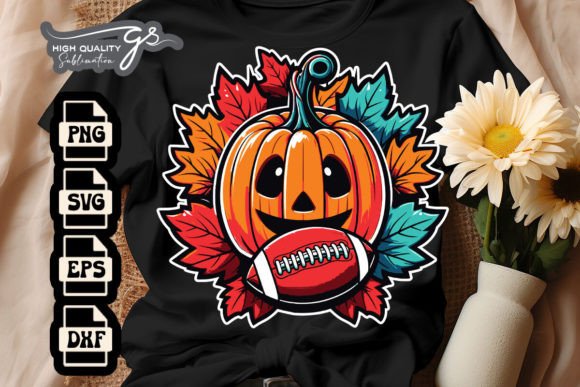
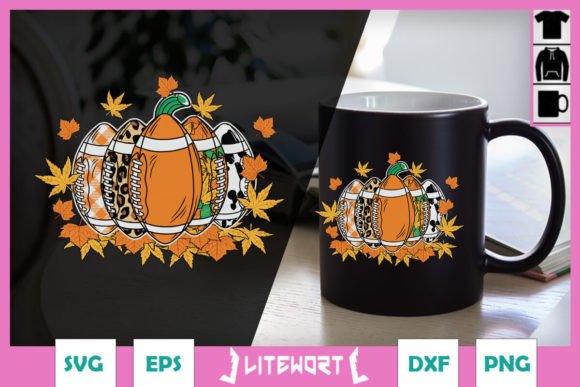
When I first opened the Fall American Football Pumpkin SVG, I was struck by how naturally it blends two distinct visual languages: the rustic warmth of autumn harvest and the bold, gridiron energy of football season. As someone who has built and designed content websites for over a decade, I immediately recognized the editorial potential here. This is not just another seasonal graphic design asset. It is a thoughtful piece of creative design that can anchor an entire seasonal content strategy, from blog graphics to lead magnets, without feeling forced or overly commercial. The mood it creates is approachable, spirited, and visually grounded, which makes it a strong candidate for publishers who want their seasonal content to feel both polished and inviting.
The design itself carries a lifestyle-forward, slightly playful quality that works beautifully for lifestyle blogs, parenting sites, recipe publishers, and home decor content creators. It does not lean too feminine or too masculine, which is a rare balance in seasonal sports-themed assets. Instead, it sits comfortably in a modern, clean aesthetic that can support both editorial design and social media graphics. For a content creator preparing a series of fall football party ideas, tailgate recipes, or autumn craft roundups, this asset provides immediate visual hierarchy and a recognizable seasonal cue that readers will connect with within seconds.
How This Asset Fits a Real Publishing Workflow
I recently used the Fall American Football Pumpkin SVG in a live editorial project for a food and lifestyle blog that publishes seasonal content from September through November. The blog needed a consistent visual identity for a series of posts about game day entertaining, and I was tasked with creating featured images, Pinterest pins, article headers, and a downloadable digital guide. The SVG format came ready to import into my design software, and the PNG version offered high-resolution detail with a transparent background, which made layering onto existing blog graphics seamless. The DXF file was a bonus for anyone who might want to use the design in cutting machine projects, though for my web-focused workflow, the SVG and PNG were the stars.
In real publishing situations, this asset can serve multiple roles across your content ecosystem. For blog featured images, it delivers a strong visual anchor that communicates the season and the theme instantly. On Pinterest, the design stands out in a crowded feed because it combines familiar autumn motifs with football imagery in a way that feels fresh, not clichéd. I tested it in a square Pinterest pin format with a bold sans-serif headline overlaid, and the contrast held up well. The design also works as a newsletter header graphic, where its clean lines and balanced composition do not compete with text. For anyone building a digital guide or lead magnet around fall entertaining, the Fall American Football Pumpkin SVG can serve as a cover image, section divider, or accent element that ties the entire resource together.
Supporting Content Performance and Reader Trust
From a content marketing perspective, the quality of your graphic design assets directly affects how readers perceive your brand. When I place a well-crafted asset like this one into a blog layout, I notice an immediate improvement in visual hierarchy. The eye knows where to land, and the content feels more authoritative. This is especially important for affiliate marketers and small business owners who rely on reader trust to drive conversions. A polished, professional-looking blog graphic signals that you have invested in your presentation, which in turn encourages readers to stay longer, click through, and engage with your recommendations.
I have seen firsthand how a strong visual identity can improve click-through rates on social media and search results. The Fall American Football Pumpkin SVG contributes to that by offering a design that is both recognizable and distinctive. It is not generic clip art. It has a crafted, intentional feel that elevates any page it appears on. For bloggers and publishers who produce seasonal content year after year, having a library of design assets that feel cohesive and high-quality is essential for building a lasting brand identity. This asset fits naturally into that library, especially for those who work in the crafts and lifestyle publishing space.
Where the Design Asset Works Best
After testing the Fall American Football Pumpkin SVG across multiple formats and platforms, I have identified several placements where it truly shines. Use it as a hero image for a blog post about game day recipes or autumn party planning. It works exceptionally well as a Pinterest pin background, especially when paired with a clean, bold headline font. The design also makes a strong category thumbnail for a seasonal section of your website, helping readers instantly recognize content that falls under a fall football theme.
- Hero images and article headers: The design fills the space well and creates an immediate seasonal mood.
- Pinterest pins: High contrast and clear subject matter perform well in feed-based discovery.
- Blog graphics and editorial accents: Use it as a sidebar element or inline illustration to break up text.
- Content upgrades and digital guides: A strong cover image increases perceived value of your lead magnet.
- Newsletter headers: The design is wide enough to work across email layouts without losing detail.
- Social media graphics: Works for Instagram posts, Facebook covers, and TikTok thumbnails.
- Canva templates: The SVG imports cleanly into Canva for quick customization.
Where to Use It with Care
No design asset is perfect for every context, and the Fall American Football Pumpkin SVG has some limitations that publishers should consider. When used as a small mobile thumbnail, the finer details of the pumpkin and football elements can become less readable, so I recommend testing it at actual screen sizes before committing. It is also not ideal for text-heavy blog images where the design needs to sit behind a large block of copy, as the detail in the illustration can create visual clutter. For low-contrast backgrounds, especially light pastels, the design may lose its punch, so pair it with a darker or more saturated backdrop to maintain impact.
If your content niche is highly serious or corporate, such as financial planning or legal advice, this asset will feel out of place. It is best suited for lifestyle, food, parenting, home decor, and creative content where seasonal warmth and approachability are assets. Additionally, if your website uses a very minimal visual system with muted tones and sparse graphics, a detailed illustration like this may disrupt the overall aesthetic. In those cases, consider using it sparingly as an accent rather than a primary visual.
Practical Publisher Notes for Using This Asset
Before you integrate the Fall American Football Pumpkin SVG into your content workflow, I recommend a few practical steps to ensure it performs well across all your publishing channels. First, test the design on both desktop and mobile screens. What looks balanced on a 27-inch monitor may feel cramped on a phone. I always preview my blog graphics inside a real layout before publishing, and I suggest you do the same. Check how the design looks as a thumbnail in search results and on social media feeds, where space is limited and competition for attention is fierce.
Contrast and readability are critical. I tested this asset with several headline fonts: a serif, a sans-serif, a script, a handwritten, and a display font. The design paired best with bold sans-serif and display fonts, which held their own against the illustration. Script and handwritten fonts worked when placed carefully, but required more attention to spacing and positioning. In black and white, the design still reads well, which is a good sign for accessibility and for users who may have high-contrast mode enabled on their devices.
- Test the design on desktop and mobile before committing to a layout.
- Preview it as a thumbnail in search results and social media feeds.
- Check contrast with multiple headline font styles.
- Test in black and white to ensure readability for all users.
- Review file size for web performance and compress PNG images properly.
- Confirm that your commercial license covers monetized websites, affiliate pages, and paid content products.
File Format and Licensing Considerations
The Fall American Football Pumpkin SVG comes with multiple file formats, including SVG, PNG, and DXF. The SVG is ready to import into any design program, and I found it pre-sized for standard cup layouts, which is a thoughtful touch for those creating physical products. The PNG offers high-resolution detail with a transparent background, making it ideal for web use. The DXF format is useful for cutting machine workflows, but for digital publishing, the SVG and PNG are the primary formats you will rely on. Before using this asset on a monetized website, affiliate page, or paid content product, confirm that your commercial license covers those use cases. Most creative marketplaces offer standard commercial licenses, but it is always wise to read the fine print, especially if you plan to use the design in templates or digital products that you sell.
Final Thoughts on the Fall American Football Pumpkin SVG for Content Creators
For bloggers, publishers, digital marketers, and creative entrepreneurs who produce seasonal content, the Fall American Football Pumpkin SVG is a reliable and versatile graphic design asset. It supports visual hierarchy, strengthens brand identity, and helps content feel more polished and clickable. Whether you are designing a Pinterest pin, a newsletter header, a digital guide, or a social media graphic, this asset delivers a professional look without requiring hours of custom design work. In a real publishing workflow, it saves time while elevating the final presentation. If you are building a content library for fall sports and autumn lifestyle topics, this is the kind of creative design that earns its place in your toolkit.